Why Buy a Stone Business?
With many Baby Boomer business owners retiring, there has been a surge in interest in entrepreneurship through acquisition (ETA). The thinking goes, why start a business from scratch when you can buy one that is already successful? Most new businesses fail, and ones that are for sale have already weathered the most difficult growing pains and have established products or services and customer bases.
There are a ton of thought leaders in this space, and many focus on buying businesses like laundromats, storage units, and car washes. These businesses are attractive because they can be easily improved, don’t require a lot of employees, and are simple (not easy, there is a difference) to run.
That said, there are some other entrepreneurship through acquisition opportunities that fly a little under the radar and stone companies fit that bill. There may be more challenges, but that can mean more upside.
These are the top 11 reasons why a savvy operator who is considering entrepreneurship through acquisition should buy a stone business. These are ranked from least to most compelling and offer some reasons why a stone business makes sense for someone interested in acquiring and operating a business.
11. Recession resistant (your mileage may vary)
Stone companies don’t generally improve during recessions, but they may be less vulnerable to downturns than some other sectors of the economy. In recessions, homeowners may opt for remodeling instead of building. So, a countertop company may work on more remodels than new builds in a downturn. This may necessitate a change in your marketing messaging and target consumer. For quarriers and dimensional stone suppliers, government stimulus spending may focus on building infrastructure which could mean work for new governmental buildings. The Great Depression hit my hometown of Bedford, IN much less severely than comparable towns due to the limestone industry here. My take on what will happen in a future depression? The government will create building and infrastructure improvement work like it did through agencies created under FDR’s New Deal like the Civilian Conservation Corps and Works Progress Administration in the Great Depression, but this work will be funneled through private sector contracts instead of government agencies.

A Stone Business can be Somewhat Recession Resistant
10. Long history of use / Lindy effect
Humanity has built with stone since antiquity. The Lindy Effect theorizes that the longer something has been a thing, the longer it’ll continue to be a thing. Here’s the best example I know to illustrate the point. Imagine this, you’re teleported 100 years into the future with $100k worth of an asset. You can choose to take your $100k in gold or in Bitcoin. Which do you choose and why? If you’re like most people, you’ll pick the gold and for good reason. Gold has been valued for millennia; Bitcoin has only been around since 2009. Bitcoin may very well be valuable in 100 years, but gold has a far more established track record. The same is true of the stone industry. This isn’t trading crypto or NFTs, this is an industry that has been around for a long time and will continue to stick around.
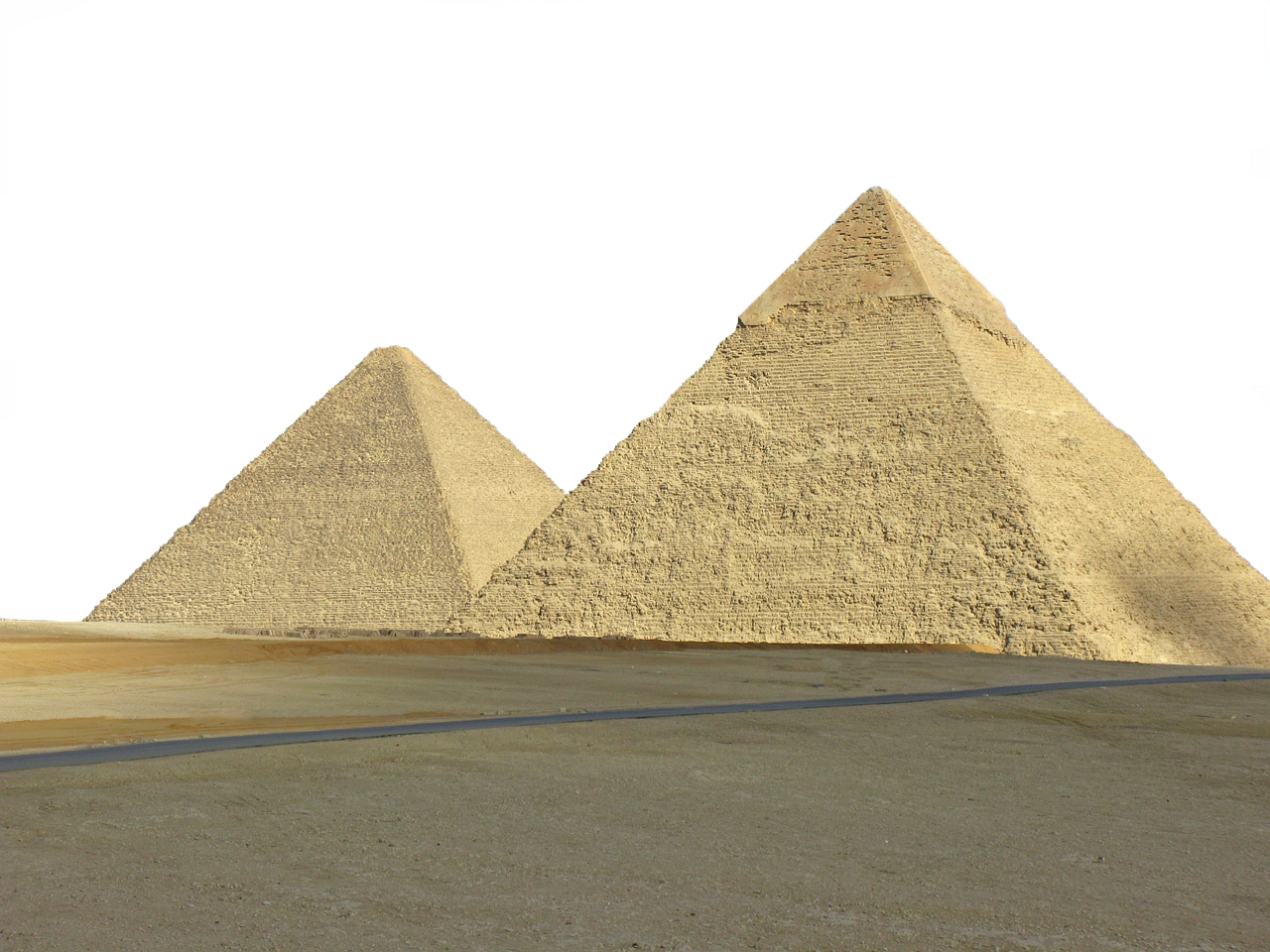
Humans Have Been Building with Stone for a Long Time - And I Think We Will Continue to do so
9. Easy improvements for tech-savvy buyers
This breaks into two different categories – machinery and software. Many stone companies could benefit greatly from adding new equipment like CNCs or even simply upgrading what’s already on the floor to run more efficiently or to run lights out. In the office, processes like payroll, bookkeeping, estimating, and enterprise resource planning could be improved by using off the rack digital tools or custom software (and yes, this is a shameless plug for one of my businesses – Limestone Capital Software)

A Little New Tech Can Go a Long Way in this Industry
8. Physical asset heavy
A stone business requires land (if you’re quarrying), equipment, and inventory. All these physical assets can last for years and hold their value. These assets can provide a security blanket if a business doesn’t work out, and an owner needs to liquidate assets. Compare this to tech-based assets like code – these are nearly impossible to sell to another user.
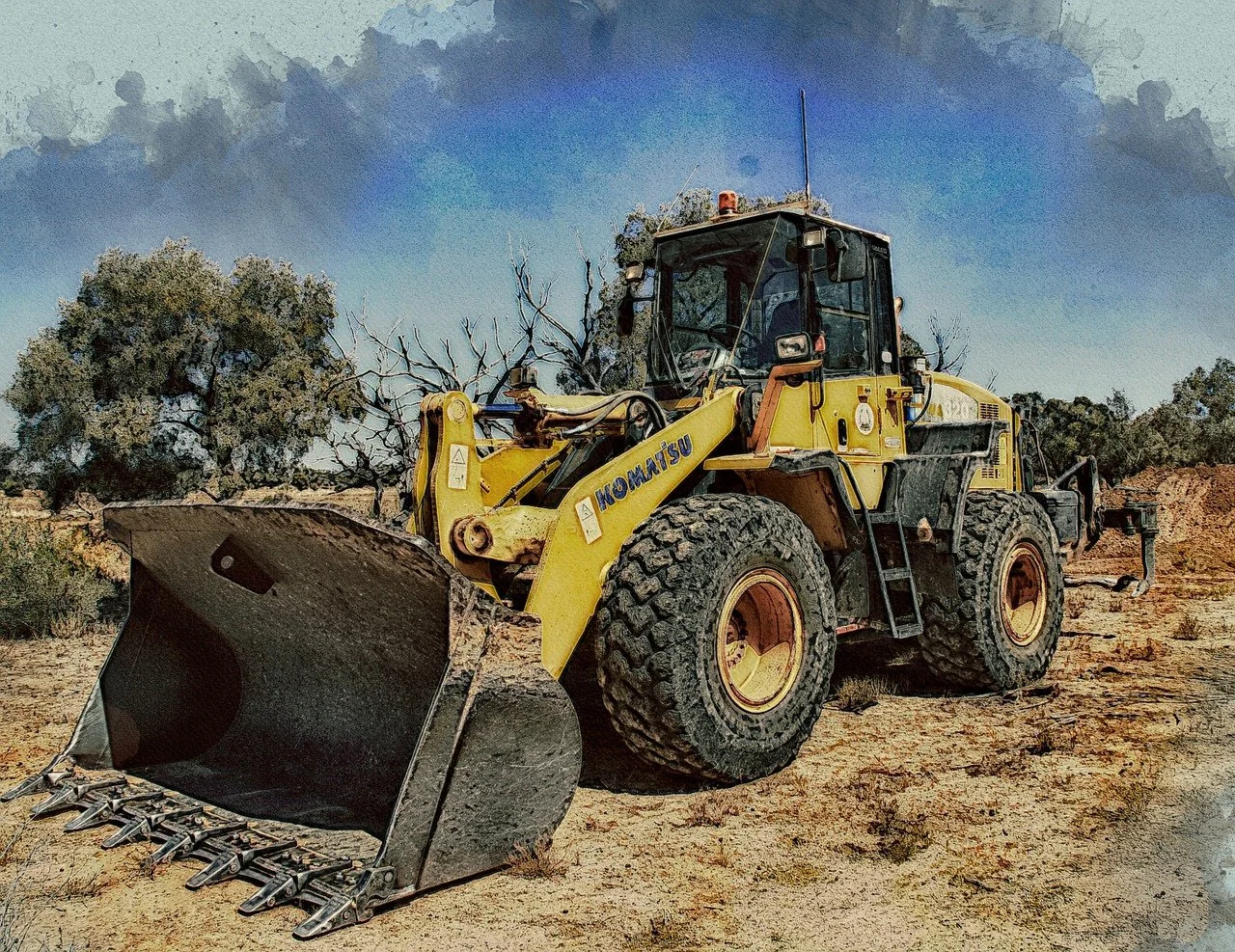
Physical Assets Hold Value and Minimize Downside Risk
7. AI-proof
The value in the industry is tied to the underlying physical assets - stone and the equipment needed to cut it. AI has no ability to negatively impact the industry. Further advancements in AI and automation can only help business owners here, in my opinion.

Artificial Intelligence Can Help Your Business, Not Kill It
6. Favorable industry structure
The industry is fragmented with many small or regional players, and a couple big private equity (PE) backed firms are doing rollups as we speak. PE has already figured out that this industry works for them. They have huge teams that do their homework on this – all you must do is copy it and follow them. Do your due diligence on any acquisition opportunity but understand that the big guys are all over this already and for good reason. Get in now before PE snaps up all the good buying opportunities.
A Fragmented Industry Offers Buying Opportunities
5. Underserved by modern technology vendors
The industry is small and has been overlooked by companies that make B2B software. Many companies have elected to use tools that only sort of fit, or haven’t modernized at all since their old systems work fine and there’s not been a compelling reason to change. Because the stone industry has almost no specialized software, even simple off-the-shelf tools give you a massive operational edge. You’re not competing against sophisticated operators — you’re competing against enterprise resource planning (ERP) systems that are clipboards or peoples’ memories.

You Won’t be Competing Against Businesses Running High End Sophisticated Software
4. High barriers to entry
Equipment costs, permitting and zoning, safety regulations, and other factors make entering the business difficult for newcomers - especially ones building a business from scratch instead of buying an existing business. Existing businesses have already navigated these challenges. You’re buying the business and the moat around it to keep others out.

Buy the Business, Get the Moat to Keep Others Out Included!
3. Strong pricing power for specialty products
Many stone products have limited substitutes – if you want it to be made from Indiana limestone, there’s only one authentic material that is the real deal. Customers are used to long lead times – at WF Meyers, our customers frequently talk about their backlogs in terms of months or years. It’s a premium product, and customers will wait to get exactly what they want.
Margins can be excellent – in cut stone, you are selling to high end homeowners, governments, and universities. These customers have deep pockets. If you are selling granite countertops, I’d guess you’re installing more in affluent zip codes and fewer elsewhere. You are solving a problem for people who have money to spend.

You Can Charge a Premium Price for a Premium Product
2. Growth potential
This is an area where the stone industry really outshines the traditional acquisition entrepreneurship target companies. While car washes, storage units, laundromats, and vending machine companies may see some growth, stone industry companies led by a savvy operator can easily surpass their growth potential. Offering new products, appealing to new customers, and reopening old quarries to go after restoration work are all ways in which I’ve seen stone companies grow rapidly.

A Stone Business Can Offer Growth Without the Need for Another Acquisition
1. Many opportunities to buy as current owners exit
Ahh yes, the best ability is availability and there are plenty of buying opportunities available. There is a huge opportunity as longtime owners look to exit the industry. In many cases, the next generation of family ownership is not interested or is pursuing other opportunities. At WF Meyers, we have an email list with over 250 recipients. Our mass emailing service has a method for predicting the age of email recipients. According to this, 80% of our recipients are 55+, with 40% over 65+. While I don’t know how the emailing service figures this out, that tracks anecdotally with what we see and who we’re talking to. There has been plenty of ownership turnover in the 14 years I’ve been in the industry, and I think we’ve only seen the tip of the iceberg to date.
Lots of Stone Businesses are For Sale - or will be Soon
If you are thinking about entrepreneurship through acquisition, consider the stone industry. That countertop shop down the street or the stone mill on the edge of town could be the diamond in the rough you’ve been looking for.