Ego, Black Swans, and the Decision to Buy or Rent
I recently listened to an episode of Keaton Turner’s outstanding Per Diem Podcast, and he hit the nail on the head when it comes to the decision to rent or purchase a piece of equipment. For the curious, it’s the February 2, 2026 episode. Keaton puts out a podcast episode about as frequently as most people put on a new pair of underwear, so the episode is now buried under a mountain of new content.
As someone who owns a small rental equipment company, this is a topic that I have thought about from time to time - why should someone choose to rent instead of buy? I had always viewed this question in terms of economics, but Keaton unpacked a business owner’s emotions involved with this decision. This is an important angle, and one I had not considered. But buying is an emotional decision that we’ll often rationalize after the fact.
His point is this - is it a good business decision, or a choice you’re making to feed your ego and impress your friends? “I just bought a ____” no doubt hits differently than “I’m renting ____ for the duration of this project” when you’re out having beers with the boys. If you’re in business for yourself, you have an ego. I certainly do and have yet to meet anyone achieving at a high level who does not. Saying “I own” instead of “I rent” is more satisfying for the purposes of making yourself feel important and getting others to agree with that self-assessment.
First off, if you have a payment on something you don’t actually own it. A bank can repossess it if you fail to make payments. The bank owns it, and you’re buying it on terms from the bank. And banks do not tend to offer flexibility if you can’t make a monthly payment. Violate the terms of your agreement, and that shiny new piece of equipment will suddenly vanish. Banks will do what they must in order to protect their downside risk, that is what happens when things go really wrong.
Who actually owns the equipment when you’re making a payment to the bank?
Another downside to owning a piece of equipment is making sure you have it fully utilized. If you buy a new saw and run it 8 months out of the year, the bank will want a payment every month in most cases. You are making payments in 4 months in which the equipment isn’t running or generating a return. How will you cover these payments? Renting a piece of equipment offers a level of flexibility that a bank cannot.
Renting a piece of equipment removes many or all of the maintenance responsibilities. Day to day maintenance may fall to the renter, but anything more significant should be covered by the manufacturer/rental company. If something fails outside of the warranty period, it’s on you if you own the equipment. It’s on the rental company if you’re renting. Rent is the most you’ll pay in a month for something you rent, a loan payment is the minimum you’ll pay in a month for something you own. Renting may come at a higher cost, but you’re paying for security and to take exposure to maintenance issues off the table.
Worried that if you buy a piece of equipment a new model will come out next year with an additional feature you want? Renting eliminates this concern. Ever rent a car? The rental company doesn’t give you a 2005 4Runner (my current quarry crawler of choice), you get one within the last couple model years. If a rental company comes out with an updated model of a piece of equipment, you can get it when your current rental term runs out. You won’t get stuck owning the last model before a big upgrade.
If you’ve been in business over the last 25 years, you’ve seen plenty of “these unprecedented times.” Terror attacks, financial crises, pandemics and other unforeseen and impossible to predict “black swan” events do happen. Choosing to rent instead of buy gives you flexibility in the event that one of these happens at the worst possible time.

How do black swan events impact your business? How common are they actually?
Let’s say you buy a piece of equipment with a 7-year repayment period. Looking at 2000 through 2020, let’s assume that September 11th, the Global Financial Crisis, and the Covid-19 pandemic are the only unexpected adverse events that happen that negatively impact your business. Every business is different and each has different exposure to risk in different areas, but please bear with me here. During that time, there are exactly 5 years during which you could take out and fully repay a 7-year loan without running into one of these events during the loan term (loans starting in 2009-2013). By my math, that’s a one in four chance that your loan period will come and go without an adverse event. Said a different way, there’s an 75% chance you’ll see a black swan event happen at some point during a 7-year loan term.
The philosopher and author Nassim Taleb discusses the topic of anti-fragility, in which something improves during adverse effects. One example of this is lifting weights, which strengthens muscles by slightly tearing them and forcing the body to fix them in order to prepare for facing this adverse effect again in the future. A business that has debt on a fixed schedule is more exposed to black swan events like an ill-timed pandemic or policy change and these can prove fatal. That same business with a rental contract is anti-fragile and can more easily weather the adverse effect and even improve during turbulent times by deploying its capital more effectively than sinking it into a payment on an asset that is suddenly not necessary. Perhaps it buys a struggling competitor or someone else’s distressed asset at a deep discount and improves while other businesses are struggling. This flexibility allows owners to follow legendary investor Warren Buffet’s advice and be greedy when others are fearful.
Owning equipment has its benefits as well - depreciation, lower monthly cost, unlimited availability, and ability to do whatever you want with the equipment. But owners need to balance these perks with the downsides - inflexibility, rigid loan contracts, and maintenance.
At the end of the day, business owners would do well to heed Keaton’s advice and get real about whether this purchase is for your business or for your ego. Consider what happens if everything goes wrong at the worst possible time and ask whether a rental or purchase helps keep you flexible and able to weather hard times. A lot of times, success in business looks like living to fight again another day.
Sometimes buying is the right decision. Sometimes renting is a better call. As with so many things, the wisdom is in knowing the difference. Whatever choice you make, be sure you are making it for the right reasons.
As for ego validation? Tell me you made a smart, well thought out business decision over beers and I’ll be plenty impressed. Just remember that won’t pay the bills.
-Alex
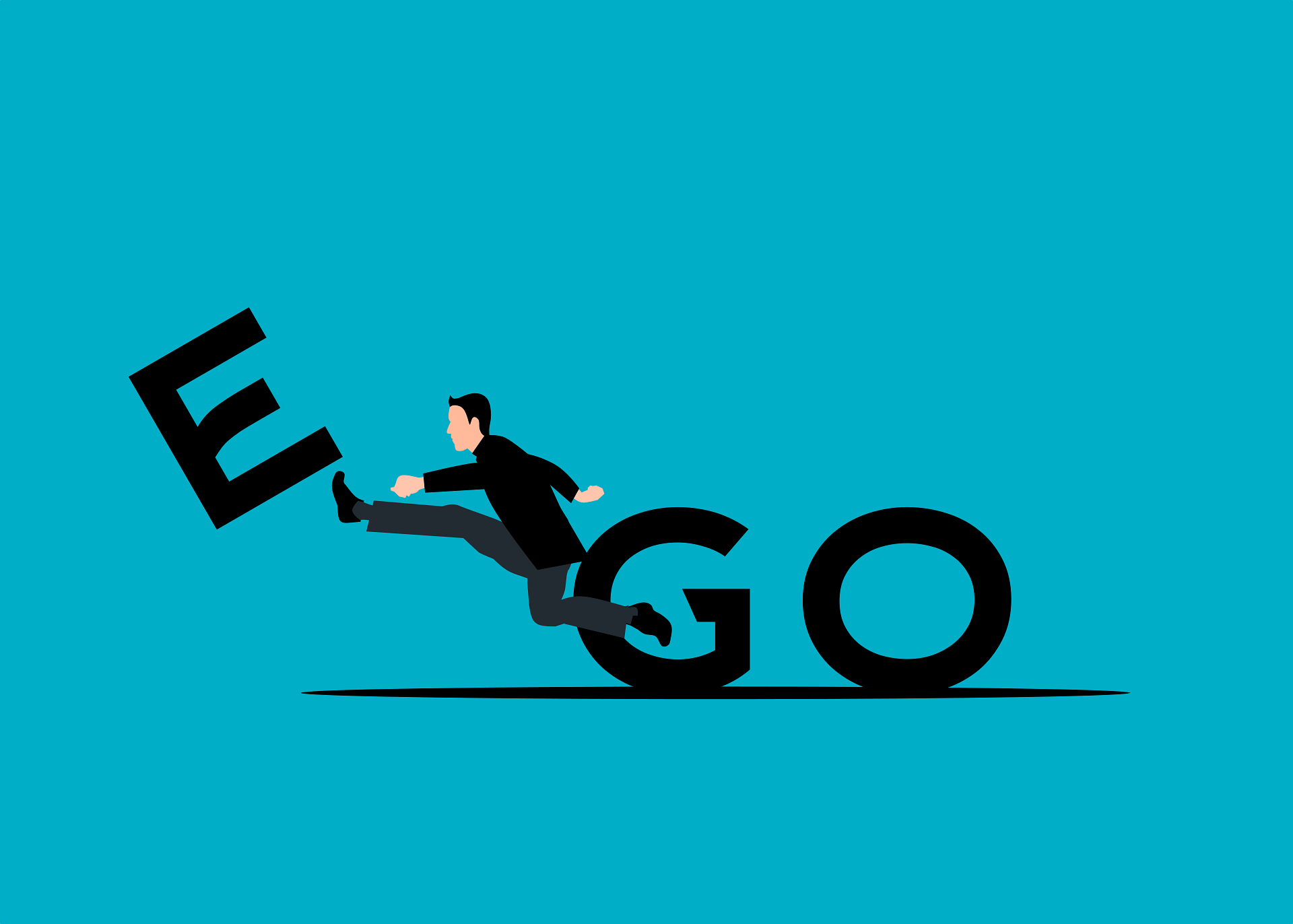
Set your ego aside and make the right call for your business.