Data center construction is booming, and while Americans may have a mixed opinion on artificial intelligence (AI) in general, the majority don’t want to live close to a data center. A Heatmap Pro poll revealed that 75% of Americans would oppose a new data center being built near where they live.
Citizens are concerned about noise, environmental issues, and negative effects on property values, and to a lesser degree water and power consumption. However, the demand and funding for these centers is there, and the construction buildout will continue, nonetheless.
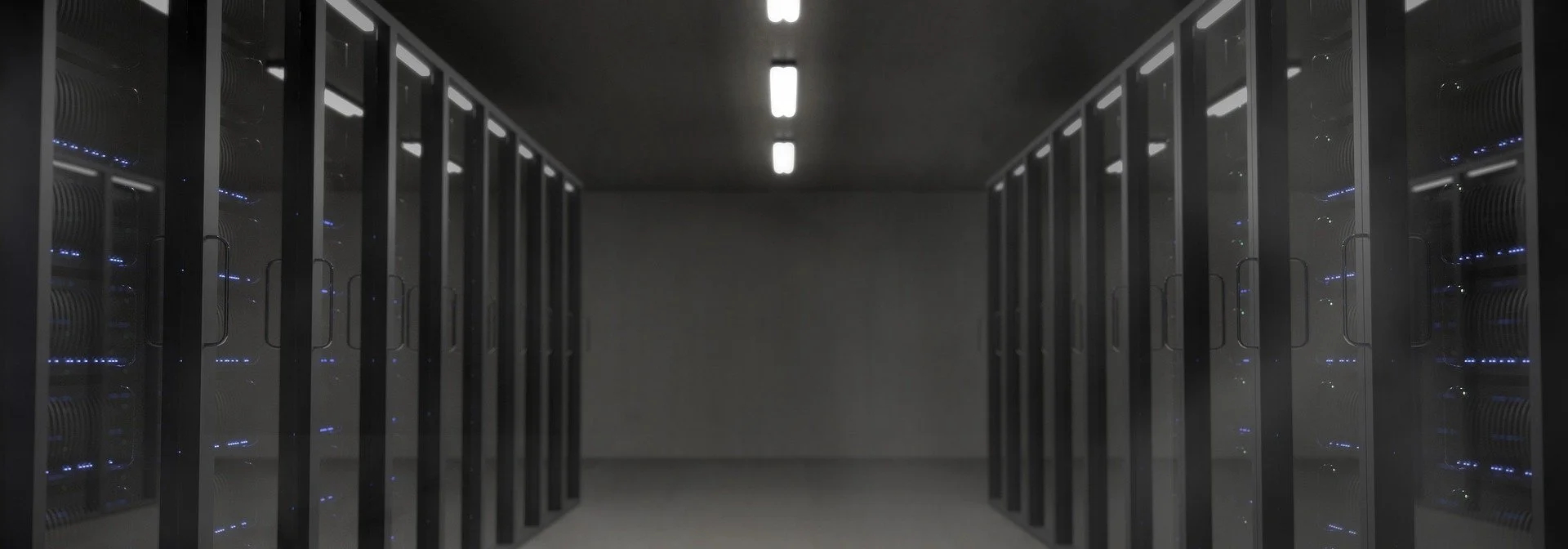
Data centers are coming, even if local residents have concerns
I am not going to pretend to be an expert on how data center construction projects can win over homeowners and have people clamoring for data centers to be built in their back yards. However, there are maybe some steps these companies can take to curry favor with the locals and help the inevitable go down with less protest, ill will, and bad feelings.
Data centers are large buildings, - averaging about 100,000 square feet - and are constructed in places where land is cheap. Nobody is building one in Midtown Manhattan or on South Beach. They’re building in small town, middle America - flyover country to many, but home to its residents, me included.
Well, what else happens in places like these, out here in flyover country? We quarry and fabricate natural stone. Natural stone that can elevate a data center from a soulless concrete eyesore into a beautiful work of art. As with building data centers, nobody is quarrying in Midtown Manhattan. A sidenote to any Manhattanites reading - enjoy the limestone buildings with our compliments.
Data centers are coming, but as sure as they’re coming, they’ll go someday. The technology will continue to change; today’s shiny new data center will eventually become obsolete. When the data center moves out, the community gets a vacant building - a giant, concrete box as a parting gift. Or, if built intentionally, the community has a building crafted with local materials by local workers. Concrete boxes get torn down all the time - but something built intentionally with craftsmanship and care may have a better chance of getting repurposed into a community center, sports complex, or some other asset to the community.
If a company presents a data center proposal to a local community that features stone quarried and fabricated by people in the community or nearby that is aesthetically pleasing, it surely won’t win over every critic. But it will do something for people concerned about property taxes and what happens when the building outlives its usefulness to the data center company.
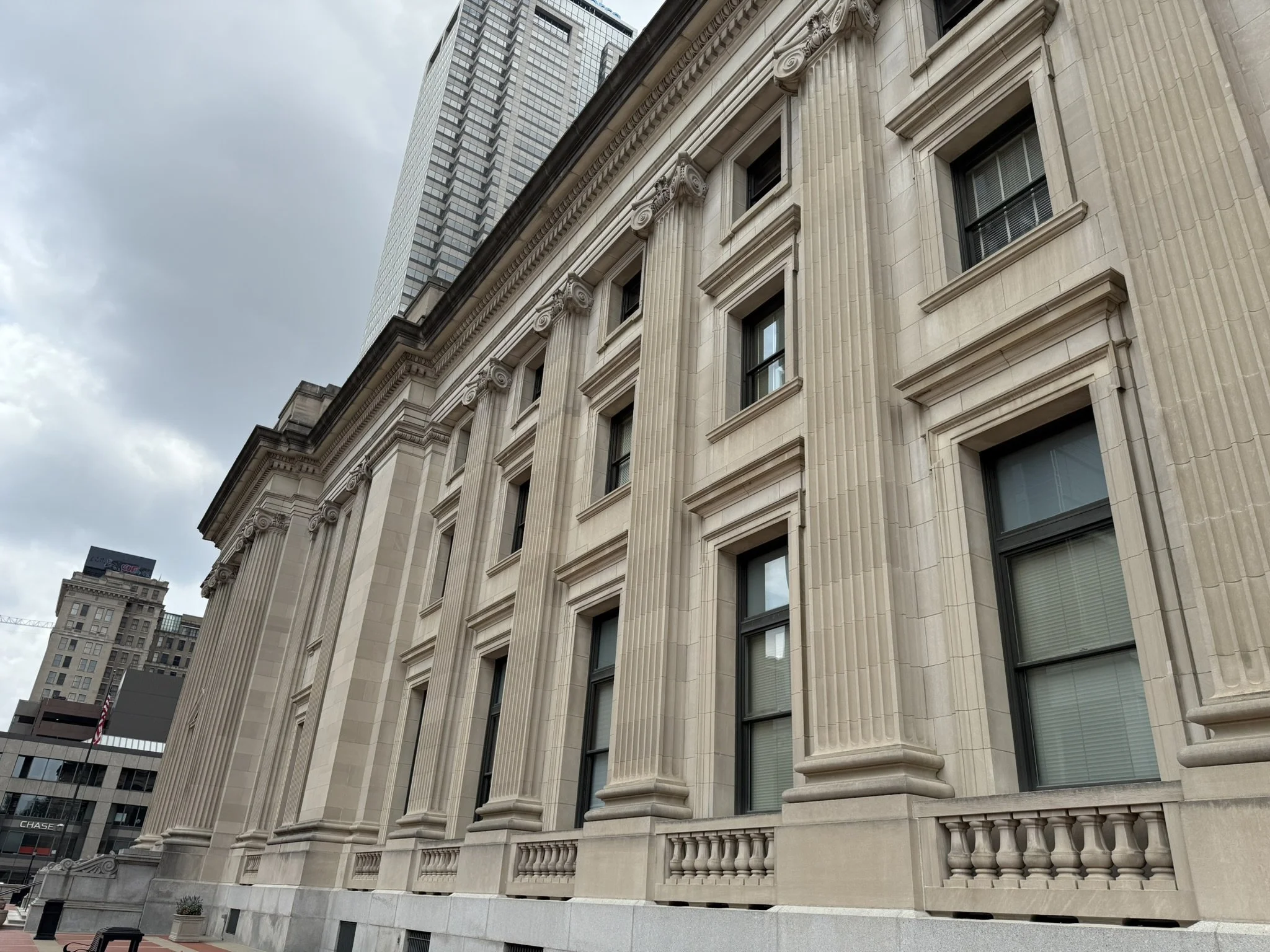
Natural stone can transform a building from a plain utilitarian box into a work of art the community can be proud of
Pork barrel legislation refers to government funding for a local interest. A senator will tack a rider onto a bill that has something specifically for her home state constituents. I think data centers could gin up some good will from spending a little extra on some pork. Some stone flourishes on a building will be more expensive than a plain concrete wall, sure. I understand we live in an era where the almighty shareholder value seems to trump all, but if you want to generate some good will and maybe get a community to look more favorably on the data center you’re building, a little pork may go a long way.
If data centers source local building materials, spend money with local companies, provide jobs for local workers, and leave a great looking building behind when they leave, then local communities may be more likely to welcome them to town. This doesn’t eliminate every concern, but it shows data centers are making an effort. And here in flyover country, we can acknowledge and appreciate that.
-Alex