A Stone Guy Looks at the Next Forty
“My occupational hazard being - my occupation’s just not around.”
-Jimmy Buffett, “A Pirate Looks at Forty”
One of the fun features I’ve found in midlife is that I have some time in my life and career to look back on, while still having a (Lord willing) good bit of both remaining. Lately I’ve been thinking - the next forty years are going to look much different than the past forty in many ways.
I want to unpack two things that I think will be dramatically different over the next forty years - the global order and the effect of artificial intelligence (AI) on work in general.
I believe we are in the early stages of a global realignment. Since the fall of the Soviet Union in 1991, we have lived in a world in which the United States is the sole superpower. I think we are seeing some fatigue in playing the role of world police, and we will see a more insular US in the years to come. There are a couple reasons for that, and I think one key one is that our entitlement spending (chiefly Social Security and Medicare) is going to continue to rise as the Baby Boomers age and retire from the workforce. It’s political suicide to cut benefits for seniors, so we will need to make sacrifices elsewhere. National defense is a huge line item on the budget, and we are already seeing some growing sentiments that other countries should pay their fair share for their own national defense.
As the US pulls inward and projects less military power abroad, a power vacuum opens. Nature abhors a vacuum, and I’m not just talking about your dog barking at it. Something will fill the gap. My hot take? Some combination of Chinese/Russian/Middle Eastern influences will coalesce into an Eastern sphere of influence. I don’t know that we’ll get back to full blown Cold War days, but it wouldn’t be the most surprising thing to see.
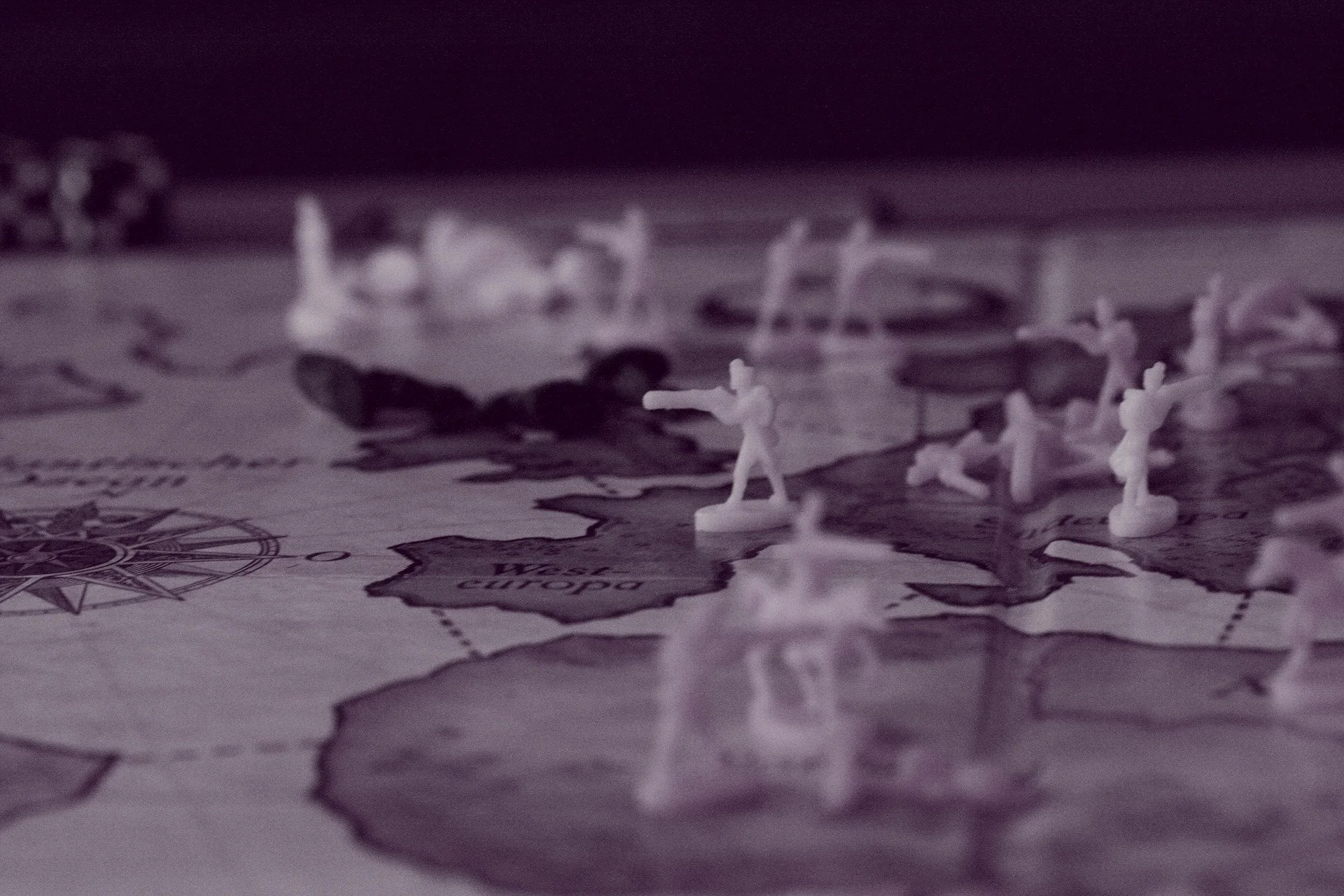
Will we see a realignment of the global chessboard?
The big takeaway as this occurs? China will no longer serve as a manufacturing center for goods consumed in the US. We are already seeing some reshoring and supply chain diversification away from China in the wake of Covid-19. I’d look for this to continue and more manufacturing to move to the US (in extensively automated factories to reduce reliance on highly paid and hard to find labor) and countries that are within our sphere of influence (I’m thinking Mexico and Central America with their lower cost of labor).
On to AI - the coming job apocalypse for white collar workers hasn’t materialized yet. That said, plenty of new high school and college graduates are nervous about their prospects of landing entry level jobs. This does lead me to wonder - what should the educational system do now that knowledge has become a commodity?
First, what do I mean by that? AI has enabled anyone to know anything. I don’t know how to write code. I have created multiple software programs through AI. Knowing how to write code is no longer a limiting factor. I used AI this week to generate an in-depth report on the global tungsten carbide market. I would have paid a research firm for this information a few short years ago. Corporate consulting jobs are drying up - why fly in a team of smart people to get a second opinion when you can fire up Claude or ChatGPT?
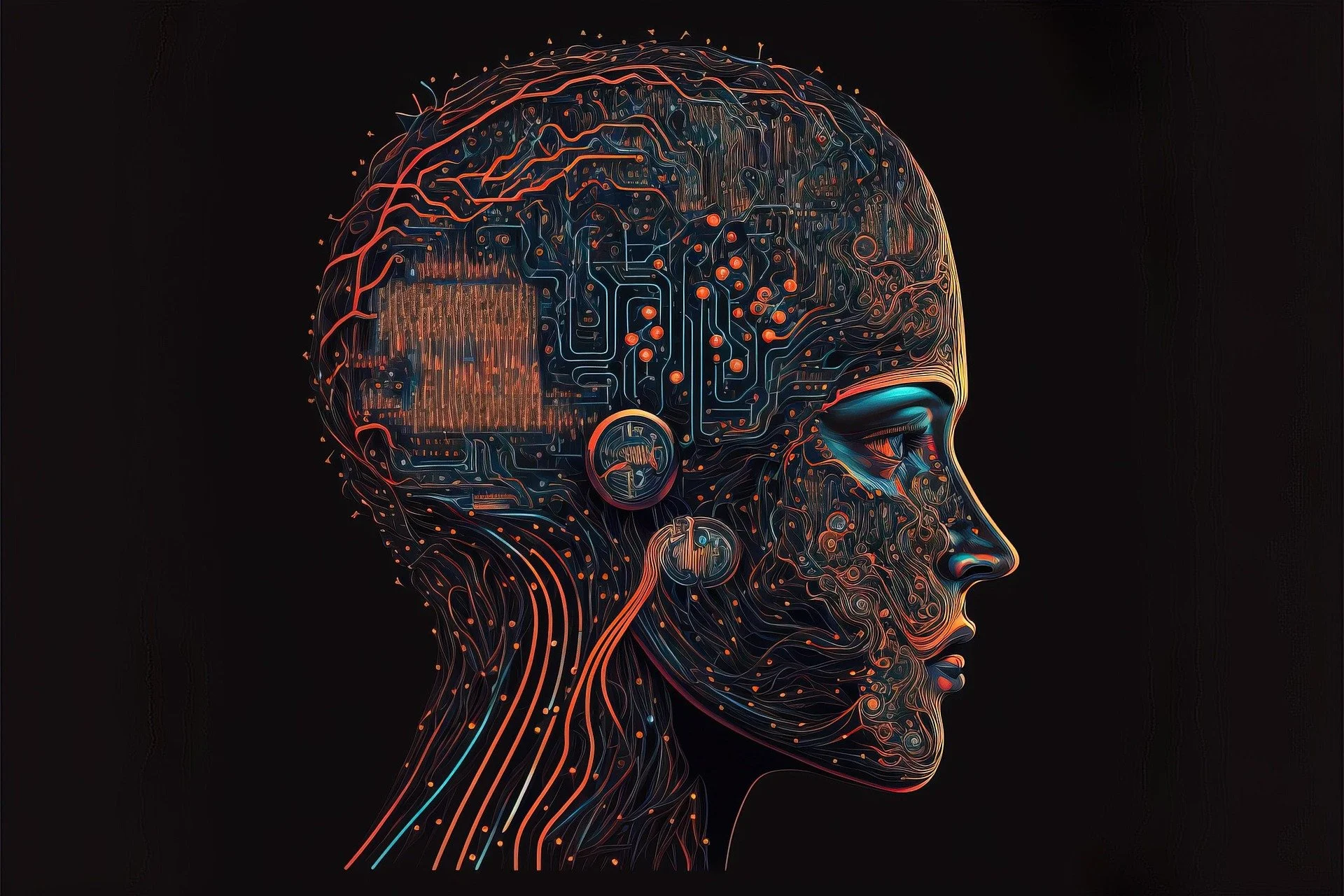
AI has made knowledge more widely available
Traditionally school has taught memorization and recall. Students who did well in school were able to accurately remember and quickly recall information. For years, that was a valuable skill. Also, it’s easy to test for and measure. It’s easy to tell which student remembers more facts, it’s much harder to evaluate other skills. In middle school I memorized all 23 helping verbs and can still recite them on command in what is probably the world’s worst party trick.
The value of this skill was eroding as internet use expanded and has been obliterated by AI. Why do I need to remember when the Magna Carta was signed or what practical applications the Pythagorean Theorem has? I can look it up nearly as fast as I can recall from memory - if I am able to recall accurately from memory.
Now that knowledge has become broadly accessible, what should schools do? Should students continue to learn how to memorize and recall information? Yes, probably, but not to the same extent I’d argue. Of course, students still need to memorize basic material in order to read and complete simple and common math problems. But beyond that? I don’t know if the value is still there. Once students move from learning to read to reading to learn, what should they memorize?
I think the workforce of the future will need a set of skills that’s difficult to teach. Skills like judgment, reasoning, critical thinking, synthesizing, and social skills like persuasion, empathy, and collaboration are more difficult to teach. But if memorizing and recalling is truly commoditized, what skills will separate those who are successful from those who are not? My hunch is that the difference comes from these soft skills.

What are the key skills of the future?
So, what are the practical implications for those of us involved in turning big rocks into little rocks? Reckoning with a new world order is simple, but not easy. Supply chains will shift, trade will flow in different directions, and geopolitical interests will realign. This all feels understandable and I think we’ll adjust to a new normal just fine. I’d evaluate my supply chain and customer base and see how that matches up with a changing world.
Regarding AI and educating the workforce of the future? That Jimmy Buffett line has been hanging up at the top of this article largely unaddressed, but we are going to see jobs vanish and new jobs emerge over the next forty years. You may have to make a key hire in a role that doesn’t even exist today. Lots of current occupations just won’t be around.
Any careers that rely on swiftly recalling knowledge and applying it according to a set of rules are at risk - at least to some extent. A funny thing about AI is that is has made inroads in some jobs like this (coding) but currently fails miserably in others where you might think it would be a natural fit (accounting). AI’s development has been sort of uneven across industries, but it’s important to remember we are still in the early days, and we’ll see more improvements across the board.
One practical takeaway - if you have young people in your life, work with them to develop the soft skills I mentioned as these will pay dividends. Also, I would suggest that someone who struggles with memory and recall and got bad grades in school may have other skills that are far more valuable today. Evaluate potential hires holistically and don’t get too hung up on grades.
Forewarned is forearmed, and I think part of responsible leadership is having an eye on the future. But, we should also enjoy the present. And as I write this, it’s a beautiful Friday afternoon in God’s Country (I’ll put Southern Indiana in late spring up against anywhere for natural beauty). So, it’s time to heed some of Mr. Buffett’s other advice, grab a cold beverage, and go fishing.
-Alex